
- Home Page
- Our Services
- Reserves and Resources
- OUR SERVICES
Reserves and Resources
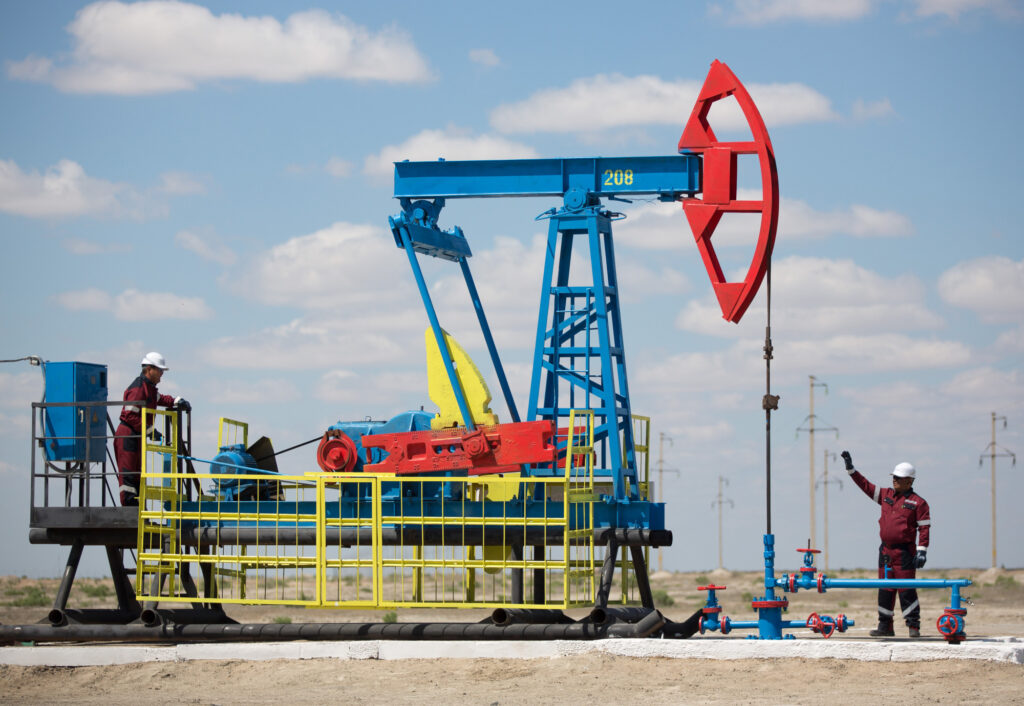
Oil accounted for 56.1% of the LLP BK Energy 1 billion boe in SEC-proven hydrocarbon reserves by the end of 2020. Our reserves have a 19-year lifespan, which is longer than the average of Kazakhstan’s biggest private oil and gas businesses. When it comes to proven reserves and quality, LLP BK Energy is among the best businesses in Kazakhstan and the entire globe. LLP BK Energy owns proven hydrocarbon reserves in five CIS countries. With over 70% of the proved reserves being conventional, the company has a distinct competitive advantage over its rivals because to the low development and production costs per barrel. 77% of the Group’s proved hydrocarbon reserves are found in Kazakhstan, with West Kazakhstan holding the majority of these reserves. About 5% of confirmed reserves are made up of high-viscosity oil and offshore fields.
The company is working hard on gas projects in Kazakhstan, which has around half of the world’s known reserves in international projects. A little more than 47% of the company’s known hydrocarbon reserves have been produced, meaning that they can be extracted from existing wells using the tools and methods available today. Undeveloped resources make up a substantial portion of the potential growth in production in the future. The contingent resources, now evaluated at 2 billion boe, could increase proved reserves should the macroeconomic environment change, development plans need to be adjusted, new technologies be adopted, or trial projects are carried out. In terms of SEC-classified proven reserves and replacement ratio, LLP BK Energy has long held the top spot and is the world’s largest publicly traded oil and gas business. Moreover, the company has the lowest hydrocarbon exploration and development expenditures among all international energy companies.
The installation of a special pipeline anti-intrusion system has already been noted as a significant achievement for improved pipeline integrity and security. This system detects ground movement next to the pipeline by using the fiber optic communication wire. The technology was further developed in 2022 after a trial in 2019, with the goal of delivering increased pipeline security and operating cost reductions starting in 2010 and going forward. Reducing the number of interventions and intrusive vessel and piping inspections is crucial since plant “down-time” brought on by corrective maintenance and prescriptive equipment inspections can significantly affect output. Two distinct corrosion and inspection databases have been created by LLP BK Energy in order to achieve this. The program includes risk algorithms, tracks abnormalities, assesses corrosion rates, and determines risk-based inspection intervals.